RRSP vs. TFSA: Where Should Your Next Investment Dollar Go?
Compare RRSP and TFSA tax benefits, withdrawals and flexibility to decide where your next investment dollar may work best within your financial plan.


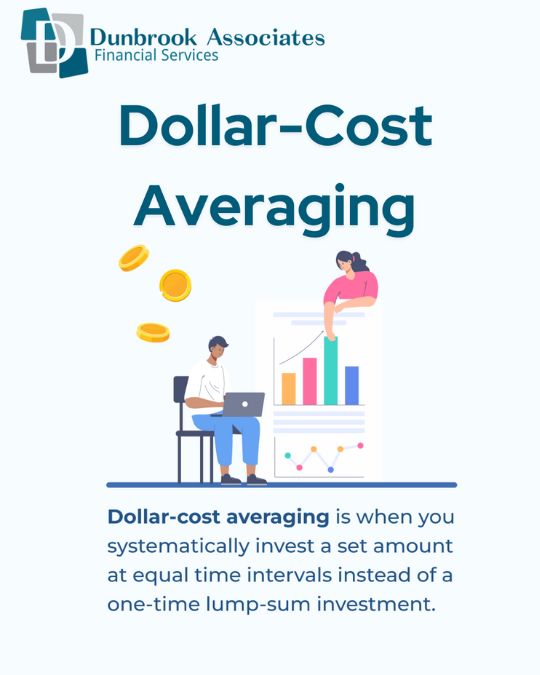
Investing in the stock market can be a daunting task, especially during periods of volatility and uncertainty. One tried-and-true method that helps manage risk and build wealth over time is Dollar Cost Averaging (DCA). This approach allows investors to sidestep the difficulty of timing the market by consistently investing a fixed amount, regardless of market conditions. This blog will explore what Dollar Cost Averaging is, how it works, and why it’s a valuable strategy for anyone looking to build their financial future.
Dollar Cost Averaging is a simple investment strategy in which an investor puts a fixed amount of money into a specific asset on a regular schedule, regardless of the asset's price. Instead of investing a lump sum all at once, DCA allows an investor to make periodic investments, buying more shares when prices are low and fewer when prices are high.
For example, imagine an investor who decides to invest $500 in an exchange-traded fund (ETF) on the first day of every month. If the ETF's price fluctuates each month, the investor buys more shares when prices dip and fewer when prices rise, effectively reducing their average cost per share over time.
The goal of DCA is to protect investors from market volatility and reduce the risks associated with poor market timing. By spreading out investments over time, investors benefit from a more stable path to building wealth, even if the market fluctuates.
New Investors
For those new to investing, Dollar Cost Averaging offers a simple way to enter the market without worrying about when to buy. It’s a beginner-friendly strategy that introduces the fundamentals of consistent investing.
Long-Term Investors
DCA is ideal for individuals with a long-term outlook, such as those saving for retirement or major future goals. Since DCA smooths out the highs and lows over time, it’s particularly effective for investors who plan to hold their assets for years or even decades.
Investors with Limited Funds
DCA is accessible for those who may not have a large lump sum to invest upfront. Instead, they can start with smaller amounts that fit their budget and still benefit from market growth over time.
Comparing Approaches
Lump-sum investing involves investing a large amount of money simultaneously, while DCA spreads the investment over a series of smaller, periodic contributions. Both have their merits, but each is suited to different situations and risk tolerances.
Pros and Cons of Each
Lump-sum investing can yield higher returns in a consistently rising market, as the full amount benefits from growth immediately. However, it also involves the risk of entering the market at a peak. On the other hand, DCA generally produces steadier results over time by reducing volatility risk, though returns may be slower in a rising market.
When to Use Each Strategy
If an investor has a substantial sum to invest and is confident in market conditions, lump-sum investing might be more advantageous. In contrast, DCA is a safer choice in times of market uncertainty or when investments are made from a regular income, such as a monthly paycheck.
Define Your Budget
The first step in DCA is deciding on an amount that fits comfortably within your budget. This amount should be manageable enough to invest consistently without disrupting other financial responsibilities.
Choose an Investment Vehicle
DCA can be applied to various investment types, including stocks, mutual funds, and ETFs. Choosing assets that align with your financial goals and risk tolerance is essential.
Set Up Automated Investments
To simplify the process, set up automated contributions, where a set amount is invested at regular intervals. Most brokerages and financial institutions offer automation options, making it easier to stick to your DCA plan.
Stay Committed
The key to benefiting from DCA is consistency. Markets will fluctuate, but it’s crucial to stay committed to your plan and resist the urge to halt or increase investments based on short-term performance.
Example 1: Stock Investment
Imagine an investor committing $200 monthly to buy shares of a specific stock. Over a year, the stock price fluctuates. In some months, they buy more shares at a lower price, and in other months, they buy fewer shares when the price is high. By year’s end, their average cost per share is lower than if they’d made a single investment at a peak price.
Example 2: Retirement Account
Retirement accounts, such as TFSA’s or RRSP’s, often use DCA by default, with employees contributing a fixed percentage of their salary each pay period. Over the decades, this approach has benefited not only from DCA but also from the compounding effect, allowing significant growth by retirement age.
Example 3: Market Volatility
During a downturn, DCA investors purchase shares at lower prices. By staying consistent, they lower their average cost per share, so when the market eventually recovers, they benefit from the rebound.
Stopping During Market Declines
Some investors halt DCA during downturns, missing out on low prices that could benefit them later. Maintaining the plan during these times is critical, as DCA often has the most impact.
Investing Without Research
Although DCA reduces risk, it’s still essential to research and choose high-quality investments. Even with DCA, a poorly performing asset won’t necessarily recover, so always base investment choices on sound research and consult your Dunbrook Associates advisor.
Ignoring Fees
If transaction fees are high, they can significantly reduce DCA’s effectiveness, especially if charged per transaction. Opt for low-cost funds or accounts with minimal fees to ensure that more of your money goes toward growth rather than fees.
Assessing Your Financial Goals
DCA is well-suited for long-term investors focused on gradual wealth-building. Those looking for quick returns may find DCA too conservative, while those with patience and a long horizon can benefit from its steadiness.
Risk Tolerance
Investors with lower risk tolerance often find DCA appealing because it reduces the pressure of timing the market. If market volatility concerns you, DCA may provide a smoother experience than lump-sum investing.
Market Outlook
While DCA works well in any market condition, it shines during periods of uncertainty. If you’re unsure about the market’s future direction, DCA offers a way to invest gradually without being overly exposed to short-term shifts.
Dollar Cost Averaging offers a disciplined, consistent way to build wealth over time without needing to predict market movements. By investing gradually and taking advantage of market dips, investors can smooth out volatility, reduce emotional decisions, and accumulate assets that benefit from market growth. Whether you’re new to investing or looking for a steady strategy, contact Dunbrook Associates to learn more about how DCA can be a powerful tool to achieve your long-term financial goals. Remember, the key to DCA is patience and consistency—stick with it, and let the power of compounding work in your favour.
.jpg)
Compare RRSP and TFSA tax benefits, withdrawals and flexibility to decide where your next investment dollar may work best within your financial plan.

For many Canadian homeowners, a mortgage renewal once felt like a routine piece of paperwork. The lender sent a letter, the borrower reviewed the new rate, and another term began.
.jpg)
For most investors, however, long-term investing offers a more practical path toward meaningful financial goals. Rather than trying to predict the market’s next move, a long-term strategy focuses on building a diversified portfolio, remaining invested through changing conditions, and allowing time and compounding to do much of the work.