RRSP vs. TFSA: Where Should Your Next Investment Dollar Go?
Compare RRSP and TFSA tax benefits, withdrawals and flexibility to decide where your next investment dollar may work best within your financial plan.


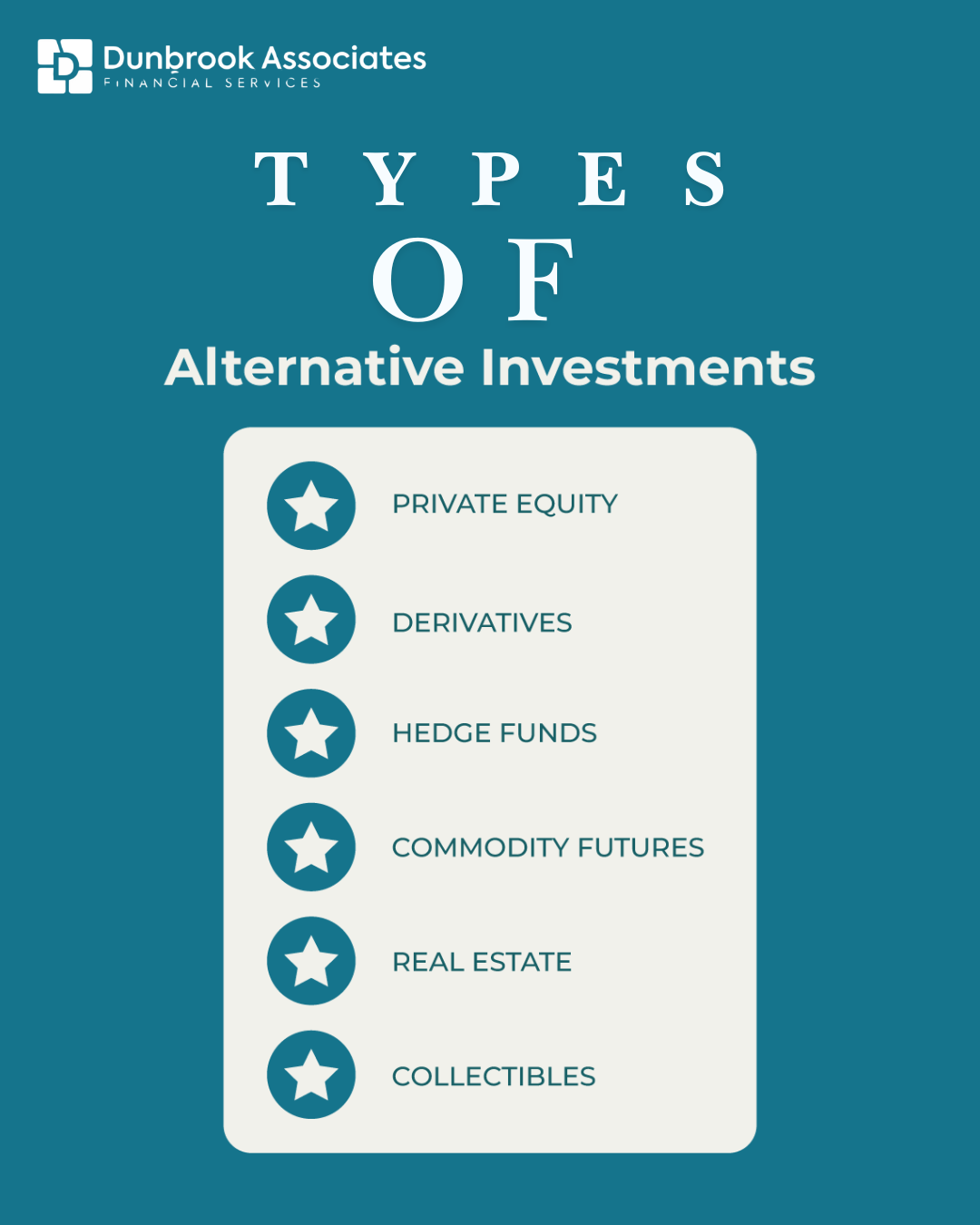
When it comes to investing, most people are familiar with traditional asset classes like stocks, bonds, and cash. However, alternative funds provide investors with unique opportunities beyond these conventional options. Alternative investments are often sought after for their potential to diversify portfolios, hedge against market volatility, and provide attractive returns. We explore the different types of alternative funds, their benefits, and how they can be integrated into a well-rounded investment strategy.
Alternative funds refer to investment vehicles that invest in non-traditional assets. These funds often include hedge funds, private equity, venture capital, real estate investment trusts (REITs), commodities, and infrastructure investments. Unlike traditional stocks and bonds, alternative investments tend to have lower correlations to the stock market, providing portfolio diversification and risk mitigation.
Hedge funds are actively managed investment funds that use advanced strategies, such as long-short positions, leverage, derivatives, and arbitrage, to generate high returns. These funds are typically available to accredited investors due to their complexity and higher risk.
Benefits:
Considerations:
Private equity funds invest in private companies or take public companies private to enhance their value through strategic management. These funds often focus on leveraged buyouts (LBOs), growth capital, and distressed investments.
Benefits:
Considerations:
Venture capital (VC) funds invest in early-stage, high-potential startups in exchange for equity ownership. These funds aim to capitalize on innovative businesses with exponential growth potential.
Benefits:
Considerations:
REITs allow investors to gain exposure to real estate assets without direct ownership. They are publicly traded or privately held funds that invest in commercial, residential, or industrial properties.
Benefits:
Considerations:
Commodities funds invest in physical goods such as gold, silver, oil, natural gas, and agricultural products. These funds can be structured as mutual funds, ETFs, or futures contracts.
Benefits:
Considerations:
Infrastructure funds invest in essential public assets such as transportation, energy, utilities, and communication networks. These investments often have long-term contracts that provide stable cash flows.
Benefits:
Considerations:
Investors turn to alternative funds for several reasons, including:
Before investing in alternative funds, consider the following factors:
Alternative funds offer investors a way to diversify their portfolios and potentially achieve higher returns. However, they come with unique risks and considerations that must be carefully evaluated. Whether investing in hedge funds, private equity, venture capital, real estate, commodities, or infrastructure, conducting thorough research and consulting with financial professionals is crucial. Contact Dunbrook Associates to help you make informed decisions to optimize your portfolio and achieve your financial goals.
.jpg)
Compare RRSP and TFSA tax benefits, withdrawals and flexibility to decide where your next investment dollar may work best within your financial plan.

For many Canadian homeowners, a mortgage renewal once felt like a routine piece of paperwork. The lender sent a letter, the borrower reviewed the new rate, and another term began.
.jpg)
For most investors, however, long-term investing offers a more practical path toward meaningful financial goals. Rather than trying to predict the market’s next move, a long-term strategy focuses on building a diversified portfolio, remaining invested through changing conditions, and allowing time and compounding to do much of the work.