RRSP vs. TFSA: Where Should Your Next Investment Dollar Go?
Compare RRSP and TFSA tax benefits, withdrawals and flexibility to decide where your next investment dollar may work best within your financial plan.


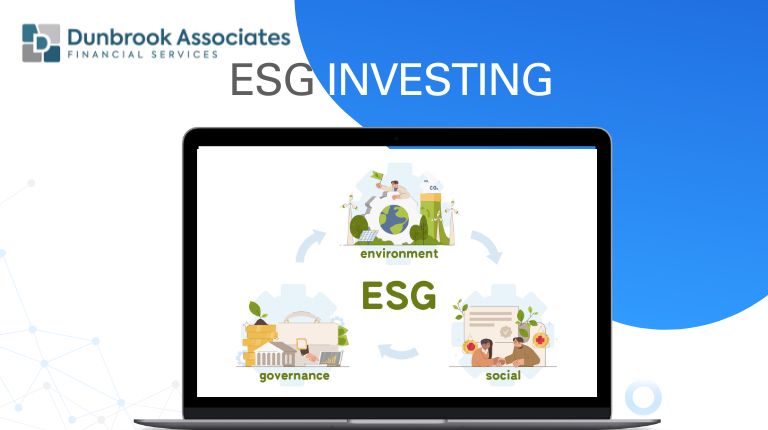
Environmental, Social, and Governance (ESG) investing has transformed from a niche market to a mainstream consideration for individuals and institutions seeking to align their financial goals with their values. ESG investing focuses on companies that demonstrate strong commitments to environmental stewardship, social responsibility, and sound governance practices. For investors, understanding the principles, benefits, and strategies of ESG investing is crucial in today’s evolving financial landscape.
ESG investing involves analyzing potential investments through the lens of environmental, social, and governance criteria:
ESG investing goes beyond traditional financial metrics, offering a holistic view of a company’s operations and its potential long-term sustainability.
The rise of ESG investing reflects a broader shift in investor priorities. Millennials and Gen Z investors, in particular, are driving demand for investments that reflect their values. According to a study by Morningstar, ESG funds have seen record inflows in recent years, driven by growing awareness of issues such as climate change, social justice, and corporate accountability.
Additionally, global regulatory frameworks and corporate policies are increasingly emphasizing sustainability and transparency. Investors recognize that companies excelling in ESG criteria are often better positioned to mitigate risks, adapt to changing regulations, and build long-term value.
Studies indicate that ESG-focused companies often outperform their peers in the long term. They are better equipped to handle environmental and societal disruptions, minimizing risks that can impact financial performance. For example, firms with robust environmental policies may face fewer fines or operational disruptions.
Investors increasingly seek portfolios that reflect their values, such as combating climate change or promoting diversity. ESG investing allows individuals to contribute positively to societal challenges without sacrificing financial returns.
As governments and industries transition towards greener and more ethical practices, ESG-compliant companies are likely to benefit. For investors, this means gaining exposure to future-oriented industries and minimizing exposure to outdated business models.
This involves excluding companies or industries that do not align with an investor’s values, such as fossil fuels, tobacco, or firearms. It’s a straightforward approach for those who want to avoid supporting specific sectors.
Positive screening involves actively seeking companies with strong ESG practices. This could include firms leading in renewable energy, gender diversity, or ethical supply chains.
Impact investing focuses on generating measurable social or environmental benefits alongside financial returns. This strategy often targets sectors such as affordable housing, clean energy, or education.
ESG integration involves incorporating ESG factors into traditional financial analysis. Advisors at Dunbrook Associatescan use this approach to assess how ESG considerations impact financial risks and opportunities.
Investors can use their equity stakes to influence corporate behavior. This may include voting on ESG-related shareholder proposals or engaging directly with company management to encourage better practices.
While ESG investing offers numerous benefits, it is not without challenges:
Navigating the complexities of ESG investing requires expertise and strategic planning. Dunbrook Associates Financial Advisors are uniquely positioned to:
How can investors evaluate the success of their ESG investments?
The ESG landscape is constantly evolving, shaped by technological advancements, regulatory changes, and shifting societal expectations. Trends to watch include:
ESG investing represents a powerful way for individuals and institutions to align their investments with their values while pursuing financial growth. By focusing on environmental sustainability, social responsibility, and ethical governance, ESG investing not only addresses pressing global challenges but also helps build resilient, future-ready portfolios.
Dunbrook Associates Financial Advisors are committed to helping clients navigate this dynamic field, offering expert guidance, tailored strategies, and a deep understanding of ESG trends. Whether you’re a seasoned investor or just beginning your ESG journey, we’re here to ensure your investments reflect both your values and your vision for the future.
Let us help you take the next step in ESG investing. Contact Dunbrook Associates today to explore the possibilities.
.jpg)
Compare RRSP and TFSA tax benefits, withdrawals and flexibility to decide where your next investment dollar may work best within your financial plan.

For many Canadian homeowners, a mortgage renewal once felt like a routine piece of paperwork. The lender sent a letter, the borrower reviewed the new rate, and another term began.
.jpg)
For most investors, however, long-term investing offers a more practical path toward meaningful financial goals. Rather than trying to predict the market’s next move, a long-term strategy focuses on building a diversified portfolio, remaining invested through changing conditions, and allowing time and compounding to do much of the work.